


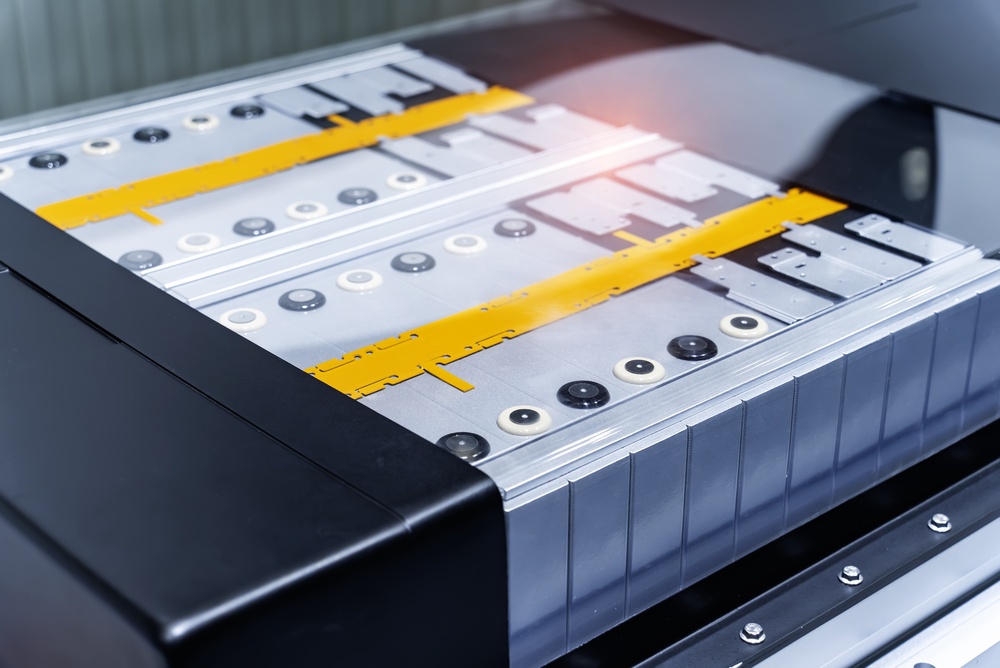
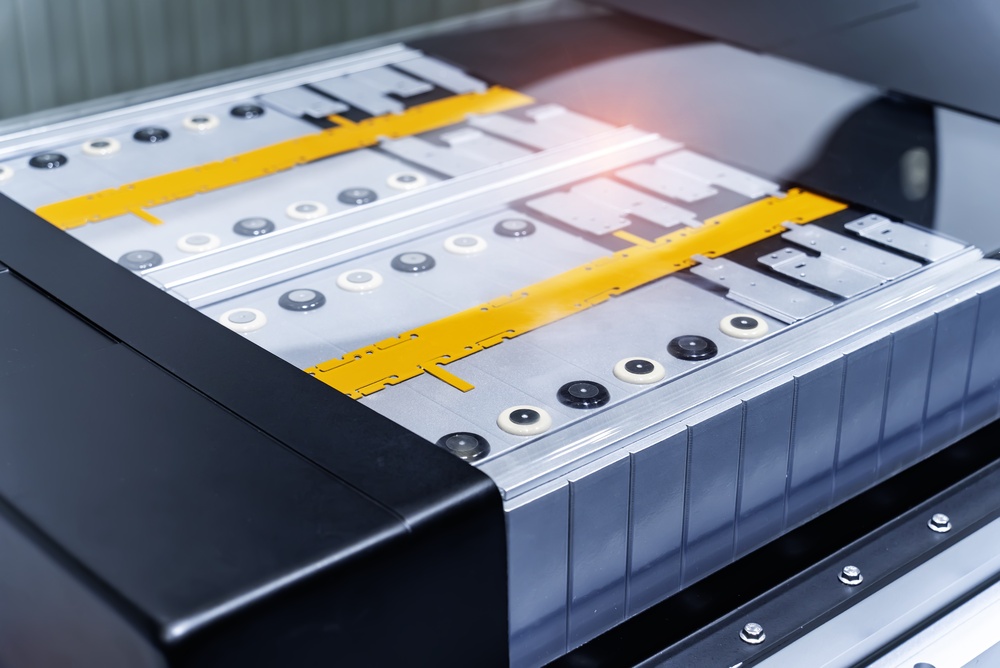
Thermal runaway battery is a term you may have come across, especially if you are in industries such as electric vehicles (EVs), aerospace, or data centers. It refers to a dangerous chain reaction in lithium batteries, causing the battery to overheat, potentially fail, catch fire, or even explode.
Understanding thermal runaway and knowing how to prevent it is crucial for ensuring the safety and reliability of your systems. Let’s dive into the details and explore how Battery Backup Units (BBU) can play a vital role in mitigating these risks.
What is Thermal Runaway
Thermal runaway is a critical safety concern in lithium-ion batteries. It occurs when an increase in temperature triggers a series of reactions that cause the battery’s temperature to escalate further, eventually leading to failure or hazardous conditions.
The Science Behind Thermal Runaway
- Internal Temperature Rise: When a lithium battery is subjected to high temperatures or an internal fault, its internal temperature begins to rise.
- Electrolyte Breakdown: This temperature increase causes the battery’s electrolyte to break down.
- Thermal Reaction: The breakdown of the electrolyte leads to exothermic reactions, further raising the cell’s temperature and creating a vicious cycle.
Common Consequences
The consequences of thermal runaway can be diverse and severe. Let’s explore some of the key risks associated with this phenomenon:
Fires
One of the most immediate and visible dangers is fire. The intense heat generated during thermal runaway can reach such high levels that it ignites the electrolyte and other materials within the battery. Once a fire begins, it can swiftly spread to other parts of the device or its surroundings, posing safety risks.
Explosions
Another severe consequence is the potential for explosions. The continuous exothermic reactions during thermal runaway can lead to gas buildup within the cell. When the pressure from these gases becomes too great, it can cause the battery to rupture explosively. Such explosions can result in considerable damage and pose a danger to nearby individuals and property.
System Failure
Even if thermal runaway doesn’t lead to visible fires or explosions, it can still cause complete system failure. The process can damage the battery to the point where it can no longer function, leading to total battery system failure. For those relying on uninterrupted power sources, this can mean major downtime.
Industries at Risk of Thermal Runaway
Thermal runaway is a pressing concern for several industries due to the critical reliance on lithium-ion battery technology. Let’s explore the industries particularly at risk:
Electric Vehicles (EVs)
The electric vehicle industry is at the forefront of innovation, driving the transition to greener transportation. However, the high energy density required to power EVs brings an elevated risk of thermal runaway. Enhanced battery management systems and rigorous safety protocols are essential to mitigate these risks, ensuring both vehicle performance and passenger safety.
Aerospace
In the aerospace sector, safety is the rule rather than the exception. The consequences of a thermal runaway event can be catastrophic when operating thousands of feet above ground. Ensuring the utmost reliability and safety of batteries in aircraft and space vehicles involves stringent testing, advanced monitoring systems, and robust design practices to prevent any incidents that could endanger lives and missions.
Data Centers
Data centers are the backbone of our digital world. However, thermal runaway in data centers can lead to system failures, massive data loss, and downtime. Implementing state-of-the-art battery backup systems, regular maintenance, and proactive safety measures are crucial to maintaining the integrity and continuity of data center operations.
What Causes Thermal Runaway
Knowing the causes of thermal runaway helps in implementing effective preventative measures. Here are some common causes:
High-Energy-Density Batteries
The push towards more compact and powerful batteries—especially in sectors like EVs and portable electronics—leads to an increase in energy density. While higher energy density can boost performance, it also heightens the risk of thermal build-up, which can trigger thermal runaway.
Lack of Effective Thermal Management Systems
Proper thermal management is crucial for the safe operation of high-energy batteries. Factors to consider include:
- Heat Dissipation: Effective heat dissipation helps manage internal temperatures.
- Cooling Technologies: Advanced cooling solutions can prevent hotspots.
- Cell Spacing: Adequate spacing between cells can prevent heat transfer between cells and reduce the risk of overheating.
How to Prevent Thermal Runaway
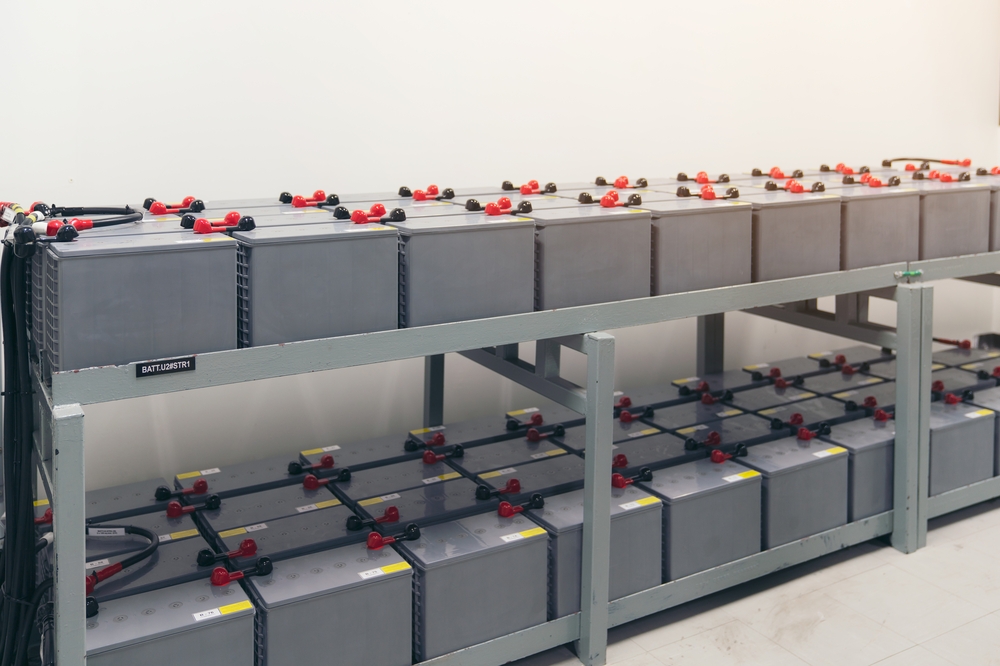
One of the most effective approaches involves utilizing Battery Management Systems (BMS).
Battery Management Systems (BMS)
A well-designed BMS can monitor and control various aspects of battery operation to prevent thermal runaway. Key features to look for include:
- Overcharge/Discharge Protection: Prevents the battery from reaching dangerous voltage levels.
- Temperature Sensors and Cutoff Switches: Monitors temperature in real-time and stops the system if unsafe conditions are detected.
- Cell Balancing: Ensures that all cells within a battery pack charge and discharge evenly, preventing localized overheating.
The Role of BBU Batteries in Reducing Thermal Runaway Risk
Battery Backup Units (BBUs) are critical in ensuring power continuity in high-demand environments. Let’s look at how they contribute to thermal safety.
What are BBU Batteries?
BBUs are designed to provide power continuity during outages, so they need to be both reliable and safe, especially when it comes to thermal management. Quality BBU batteries come equipped with various features that help mitigate the risk of thermal runaway:
- Advanced Thermal Management Features: Ensures effective heat dissipation to avoid hotspots.
- Intelligent BMS: Monitors temperature, voltage, and current in real-time and adjusts operations to maintain safety.
- Cells Designed for High Heat Resistance: Uses advanced materials and design to improve thermal stability.
Applications of BBU Batteries
BBU batteries find application in various critical environments:
- Data Centers: Ensuring continuous operation and data integrity.
- Telecom Base Stations: Maintaining communication services during power outages.
- UPS Systems: Providing an uninterruptible power supply in various industrial and commercial applications.
- Energy Storage Systems: Balancing power supply and demand, especially with renewable energy sources.
One excellent example of BBU batteries’ use in enhancing thermal safety can be seen in Molicel’s S Series safety cells. These cells are specifically designed for BBU applications, offering enhanced thermal stability.
Achieve Thermal Safety with Molicel’s BBU Batteries
Discover how Molicel’s BBU batteries enhance thermal safety in data centers and other mission-critical systems. Explore our S Series and learn more about our solutions here. By taking proactive steps and selecting reliable battery solutions, you can safeguard your operations, mitigate risks, and enjoy peace of mind.
Molicel Thermal Runaway & BBU Safety FAQ
Q1: What causes thermal runaway in lithium-ion batteries, and how do Molicel cells reduce this risk?
A: Thermal runaway occurs when internal heat generation exceeds heat dissipation, triggering self-sustaining exothermic reactions. Molicel battery cells mitigate this risk through ultra-low internal impedance chemistry (~13 mΩ) and advanced tab designs, which minimize resistive heat buildup during high-power discharge and ultrafast charging.
Q2: How do Molicel battery cells enhance safety in AI data center BBU (Battery Backup Unit) applications?
A: In AI data centers requiring rapid emergency power delivery, Molicel cells engineered for BBU solutions offer high continuous discharge capability, precise cell-to-cell thermal stability, and compliance with rigorous UL9540A thermal runaway safety evaluations. This prevents cascading thermal propagation across battery module racks.
Q3: Why is UL9540A evaluation compliance crucial for Molicel-powered energy storage and BBU systems?
A: The UL9540A evaluation is the definitive global safety benchmark for assessing thermal runaway fire propagation in energy storage systems. Molicel’s compliance validates that its high-power cylindrical cells maintain exceptional thermal control, preventing fire spread and ensuring mission-critical reliability for enterprise IT infrastructure.