




Battery cycle life is one of the most important factors in energy storage technology. While discussions often focus on capacity and power output, cycle life determines how long a battery remains reliable and efficient. A high cycle life translates to greater durability, lower costs, and better performance across multiple applications.
What is a Battery Life Cycle?
A battery life cycle refers to the number of complete charge and discharge cycles a battery can undergo before its capacity falls below a predefined threshold—typically 80% of its original capacity. Each charge and discharge cycle contributes to gradual degradation, causing resistance to build up and energy retention to decline over time. Without proper management, performance can fall through the cracks, leading to reduced efficiency.
Several factors determine a battery’s longevity:
Charge Rates
Charge rates refer to the speed at which a battery is replenished with energy. While rapid charging can be highly convenient, especially when time is of the essence, it’s important to proceed with caution. Rapid charging accelerates the wear and tear on battery components. Over time, the frequent and intense energy transfer can cause internal resistance to increase, leading to early degradation.
To mitigate this, consider using smart chargers that optimize the charge rates based on the battery’s condition and needs. This balances the convenience of quicker charging times with the necessity of preserving the battery’s longevity.
Depth of Discharge (DoD)
Depth of Discharge (DoD) measures the amount of a battery’s capacity that has been used during a cycle. Batteries that are regularly fully discharged before being recharged tend to experience more stress compared to those cycled within a partial range. Full discharges can lead to accelerated degradation as the battery undergoes chemical reactions each time it is depleted and recharged.
To extend the life of your battery, consider operating within a partial discharge range. For instance, try to maintain a DoD of 50% rather than allowing the battery to deplete completely. Tools and software are available to monitor and manage DoD.
Temperature Management
Batteries operate optimally within a specific temperature range. High temperatures can accelerate chemical deterioration and cause the battery to age more quickly. On the other hand, low temperatures can increase the internal resistance, making it harder for the battery to deliver power.
Effective temperature management involves storing and operating batteries in environments where temperatures are consistently controlled. Utilize battery management systems (BMS) that monitor and regulate temperature for your batteries to remain within their optimal operating range.
Battery Chemistry
The type of chemistry used in your battery will also affect its cycle life. Different battery chemistries come with unique characteristics. For example, lithium iron phosphate (LiFePO4) batteries are renowned for their extended longevity, thanks to their chemical stability. They tend to offer more charge cycles before degradation occurs.
Other chemistries, such as nickel-cadmium (NiCd) or lead-acid, may have shorter cycle lives and can degrade more quickly under certain conditions. Understanding specific properties allows you to select the right type of battery for your needs and to implement care and maintenance practices for its lifespan.
Long-Cycle Life Batteries
Long-cycle life batteries are engineered to endure thousands of charge and discharge cycles while maintaining exceptional performance. Traditional lithium-ion batteries generally last between 300 to 1,000 cycles. However, advanced chemistries such as lithium iron phosphate (LFP) and lithium-titanate (LTO) can far exceed this range. LFP batteries are well known for their safety, thermal stability, and ability to deliver several thousand cycles, while LTO batteries can surpass 10,000 cycles. This vastly increased battery cycle life makes them an invaluable choice for applications where reliability and efficiency are paramount.
Longevity
In scenarios where consistent performance is critical, long-cycle life batteries eliminate the frequent need for replacements, so there’s long-term operational efficiency. For instance, in industrial settings where machinery cannot afford downtime, utilizing long-life batteries can reduce maintenance costs and operational disruptions. It’s there for the long haul and provides a stable and dependable power source.
Fast Charging Capabilities
In today’s fast-paced world, the ability to charge quickly without degrading battery cycle life is a game-changer. Long-cycle life batteries utilize advanced materials and optimized charging protocols, enabling them to handle rapid charging without much deterioration. This makes them ideal for applications needing quick turnaround times.
Safety and Reliability
Safety cannot be compromised, especially when it comes to power storage solutions. Long-life batteries are designed with features that prevent overheating, swelling, or failure. Enhanced thermal management systems help maintain stable performance. This reliability makes them a trusted power source across various industries, from medical devices to renewable energy storage.
Practical Applications of Long-Cycle Life Batteries
Electric Vehicles (EVs)
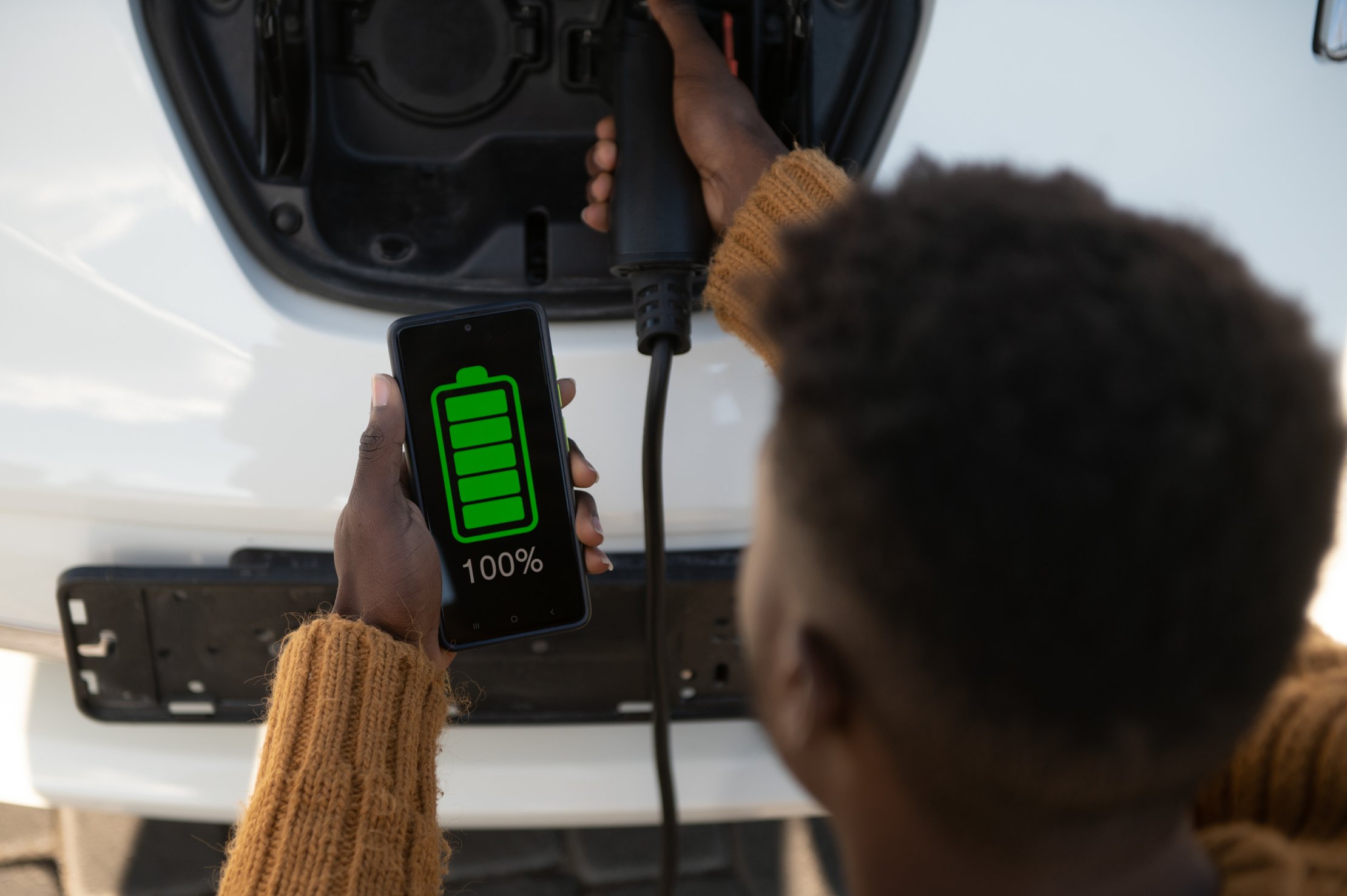
Long-cycle life batteries are transforming the electric vehicle landscape. Given the need for durable and high-performing batteries in EVs, utilizing options like lithium-titanate ensures vehicles remain reliable over many years of use. Not only do these batteries extend the lifespan of the vehicle, but their fast charging capabilities also mean less time spent waiting and more time on the road, keeping fleets moving efficiently.
eVTOL (Electric Vertical Takeoff and Landing)
The future of urban air mobility depends on battery technology. Molicel, in collaboration with Archer and Vertical Aerospace, is going head-to-head with industry competitors to develop high-performance batteries for eVTOL aircraft. Given the strict safety requirements of airborne transportation, long-cycle life batteries are essential for reliability and performance, ensuring that the technology doesn’t fall prey to premature failures.
Aerospace & low Earth orbit (LEO)
From satellites to industrial automation, long-life batteries ensure uninterrupted operation. Whether in space exploration or heavy machinery, reliable batteries minimize downtime and maintenance costs. In industries where reliability is the last line of defense, investing in high-cycle life batteries is an absolute necessity.
Molicel: Leaders in Battery Innovation
Molicel is continually advancing energy storage technology. With a laser-like focus on research and development, the company’s knocking it out of the park with advancements in battery longevity, power output, and safety.
Molicel is driving innovation in future applications, particularly within the EV and eVTOL sectors, through relentless research and development. Molicel is achieving significant advancements in battery longevity, power output, and safety, as evidenced by its strategic partnerships with industry leaders such as Archer Aviation and Vertical Aerospace for eVTOL, and McMurtry for EV. These collaborations underscore Molicel’s commitment to delivering high-performance, long-cycle life solutions crucial for the reliability and efficiency of electric vehicles and urban air mobility. The focus on technologies, which offer fast charging and extended lifespans, addresses the critical need for durable and safe batteries in these rapidly evolving industries.
Explore Molicel’s Innovative Long-Cycle Life Batteries for High-Performance Applications
Discover how Molicel’s advanced battery technology can enhance performance, reliability, and efficiency across various industries. Explore Molicel’s Innovative Long-Cycle Life Batteries, INR-21700-P50B,which boasts a 5C fast charging capability. The advanced anode technology offers a significant enhancement in battery longevity, doubling the cycle life from 700 to 1,400 cycles under a 100W discharge condition. Explore High-Performance application solutions today and take a step towards next-generation battery technology.