


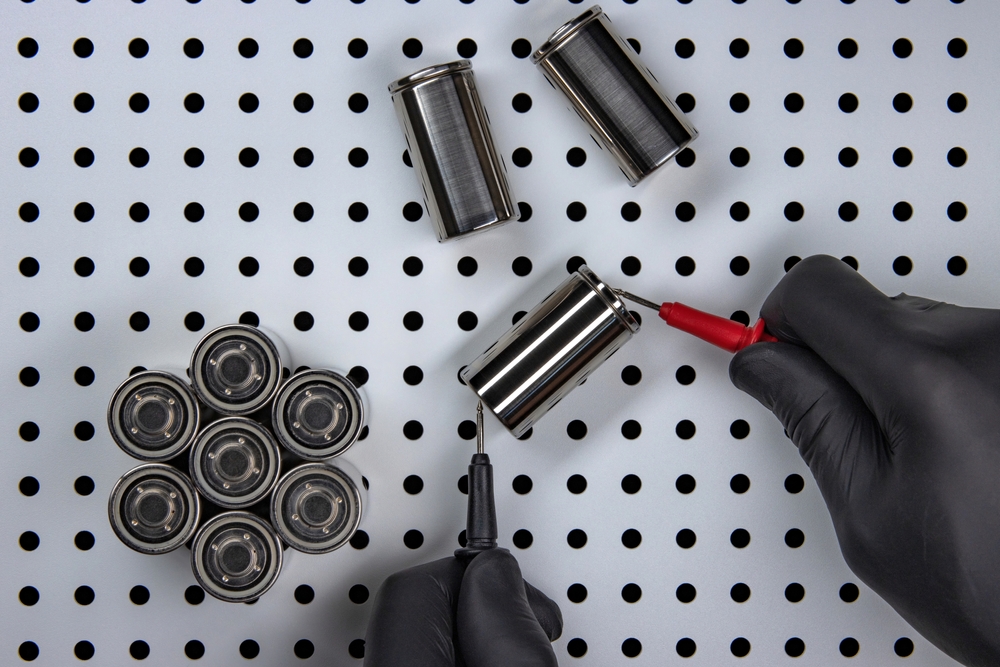
Batteries are a crucial part of our everyday lives, powering everything from our phones and laptops to electric vehicles and medical devices. With the increasing demand for portable technology, lithium batteries have become the go-to choice due to their high energy density and long lifespan. However, with numerous reports of battery explosions and fires, it’s important to ensure that the batteries we use are safe and reliable.
Why Battery Certifications Are Important
Safety Assurance
Battery certifications, particularly UL (Underwriters Laboratories), play a critical role in ensuring the safety of lithium batteries. The rigorous testing and standards set by certification bodies help mitigate the risks of fire, explosions, and malfunctions.
This is particularly crucial in high-stakes environments like aerospace and electric vertical takeoff and landing (eVTOL) applications, where safety is paramount. UL certification provides a safety net, ensuring that batteries can withstand the demands of various operational conditions.
Whether it’s thermal stability, resistance to external impacts, or overall performance, UL certification is a stamp of approval that the battery will perform reliably and safely.
Regulatory Compliance
Certified batteries meet stringent government and industry regulations across multiple markets, including the US, EU, and Asia. This is especially crucial for businesses involved in cross-border sales, where adherence to varying regulatory standards is a must to avoid legal liabilities.
Non-compliance can result in hefty fines, product recalls, and other legal consequences. Thus, having a UL-certified lithium battery ensures that your product is aligned with international safety and performance standards, facilitating smoother global trade and operations.
Market Access
Obtaining certifications like UL opens doors to various markets and applications. From consumer electronics and medical devices to automotive and aviation, certifications ensure that products meet the entry requirements for safety and performance in these industries.
For instance, in the medical device sector, batteries must meet specific durability and safety standards to be deemed suitable for life-saving devices. Similarly, the automotive industry demands high standards for batteries used in electric vehicles (EVs).
Certification thereby broadens the potential market for manufacturers and provides a competitive edge in strategic industries.
The Battery Certification Process
Preliminary Assessment
Battery certification begins with a preliminary assessment. Manufacturers conduct an initial internal evaluation to ensure the product is eligible and ready for formal testing. This involves checking that the battery design, materials, and construction meet the basic standards required by certification bodies.
Testing
Once the preliminary assessment is complete, the battery is sent to independent third-party laboratories for testing. These labs conduct various tests to evaluate the battery’s durability, thermal stability, fire resistance, and overall performance under different conditions. The rigorous testing protocols are intended to uncover any potential weaknesses in the battery design that could lead to safety hazards.
Documentation
A comprehensive set of documents must be submitted by the manufacturers. This includes detailed test results, design specifications, quality control procedures, and other technical documentation. Proper documentation is crucial for transparent assessment and verification by the certifying body.
Certification Issuance
Once all stages of testing and documentation are successfully completed, the certifying body issues a certification. This certificate, such as UL or UN 38.3, is typically valid for a specific period and is tied to specific batch or model numbers. The certification serves as proof that the battery meets all regulatory and safety standards.
Ongoing Compliance
Certification is not a one-time process. To maintain their certification status, manufacturers need to undergo periodic audits or re-certifications. This ensures continuous adherence to safety and quality standards. Reputable manufacturers like Molicel prioritize continuous quality improvement, reflecting their commitment to delivering reliable, high-quality products.
Types of Battery Certification
UN 38.3 Classification
- What it covers: UN 38.3 is required for shipping lithium batteries and focuses on transport safety. It involves a series of tests, including vibration, altitude simulation, thermal stability, and shock.
- Why it matters: Compliance with UN 38.3 ensures that the batteries can be safely transported, reducing the risk of incidents during shipping.
- Period of validity: Generally applicable as long as the battery type remains unchanged and periodic tests are passed.
- Industry relevance: Mandatory for all industries shipping lithium batteries, including consumer electronics, automotive, and aerospace.
UL Certified
- What it covers: UL-certified lithium batteries focus on electrical safety, thermal protection, and fire resistance. The certification involves testing the battery under various conditions to ensure it can handle typical operational stresses.
- Why it matters: UL certification builds trust among consumers and businesses, as it signifies that the battery meets strict safety standards. It’s often a prerequisite for OEMs and large enterprises looking for reliable battery solutions.
- Period of validity: Valid for a specified period with conditions for renewal.
- Industry relevance: Wide-ranging relevance including consumer electronics, medical devices, automotive, and aerospace.
IATF 16949
- What it covers: A quality management standard specific to the automotive sector, focusing on continuous improvement, defect prevention, and waste reduction in the supply chain.
- Why it matters: Essential for EV battery manufacturers to align with global automotive supply chain requirements.
- Period of validity: Typically valid for three years with regular audits.
- Industry relevance: Crucial for the automotive industry, particularly for electric vehicles.
AS 9100
- What it covers: A quality standard for aerospace and defense industries.
- Why it matters: AS 9100 certification is vital for aerospace-grade battery production, ensuring high-quality and reliable batteries for applications like eVTOL.
- Period of validity: Typically valid for three years with regular audits.
- Industry relevance: Aerospace and defense.
ISO 9001
- What it covers: General quality management standard ensuring a consistent and efficient production process.
- Why it matters: Helps reduce defects and customer complaints, promoting customer satisfaction.
- Period of validity: Usually valid for three years with regular audits.
- Industry relevance: Applicable across various industries for general quality assurance.
ISO 14001
- What it covers: Focuses on environmental management and reduction of environmental impact in manufacturing processes.
- Why it matters: Helps companies meet environmental regulations and lowers their environmental footprint.
- Period of validity: Valid for three years with periodic reviews.
- Industry relevance: Industries interested in sustainable practices.
ISO 27001
- What it covers: An information security management certification.
- Why it matters: Demonstrates that a company values data protection, crucial for digital product development or smart battery systems.
- Period of validity: Typically valid for three years with ongoing assessments.
- Industry relevance: Particularly relevant for companies dealing with digital data and smart technologies.
Looking for certified lithium batteries you can trust?
Built with precision and innovation, Molicel ensures that quality and safety are always at the forefront. Discover Molicel’s full range of high-performance, safety-certified products here.
UL Certified Battery Technology FAQ
Q1: Why are UL safety certifications essential for Molicel lithium-ion battery cells?
A: UL certifications validate that Molicel cells comply with rigorous international safety and reliability standards. By undergoing exhaustive electrical, mechanical, and environmental testing, Molicel UL-certified cells ensure maximum protection against thermal runaway, short circuits, and operational hazards in high-performance applications.
Q2: Which UL certification standards apply to Molicel battery cells and system installations?
A: Molicel cells are engineered to align with key safety standards, including UL 1642 for component-level lithium cell safety, UL 2580 for electric vehicle battery packs, and UL 9540A for thermal runaway fire propagation testing in AI data center battery backup units (BBUs) and energy storage systems (ESS).
Q3: How does Molicel’s UL-certified cell architecture enhance safety in extreme, high-power environments?
A: Molicel integrates advanced safety mechanisms—such as ultra-low internal impedance chemistry, robust structural casing, and precise pressure relief vents—into every cell. These engineering controls prevent thermal buildup during fast charging and heavy discharging, allowing Molicel UL-certified batteries to deliver exceptional high-power performance while satisfying strict industrial safety compliance.